Note: This content is only available in German due to its topicality.
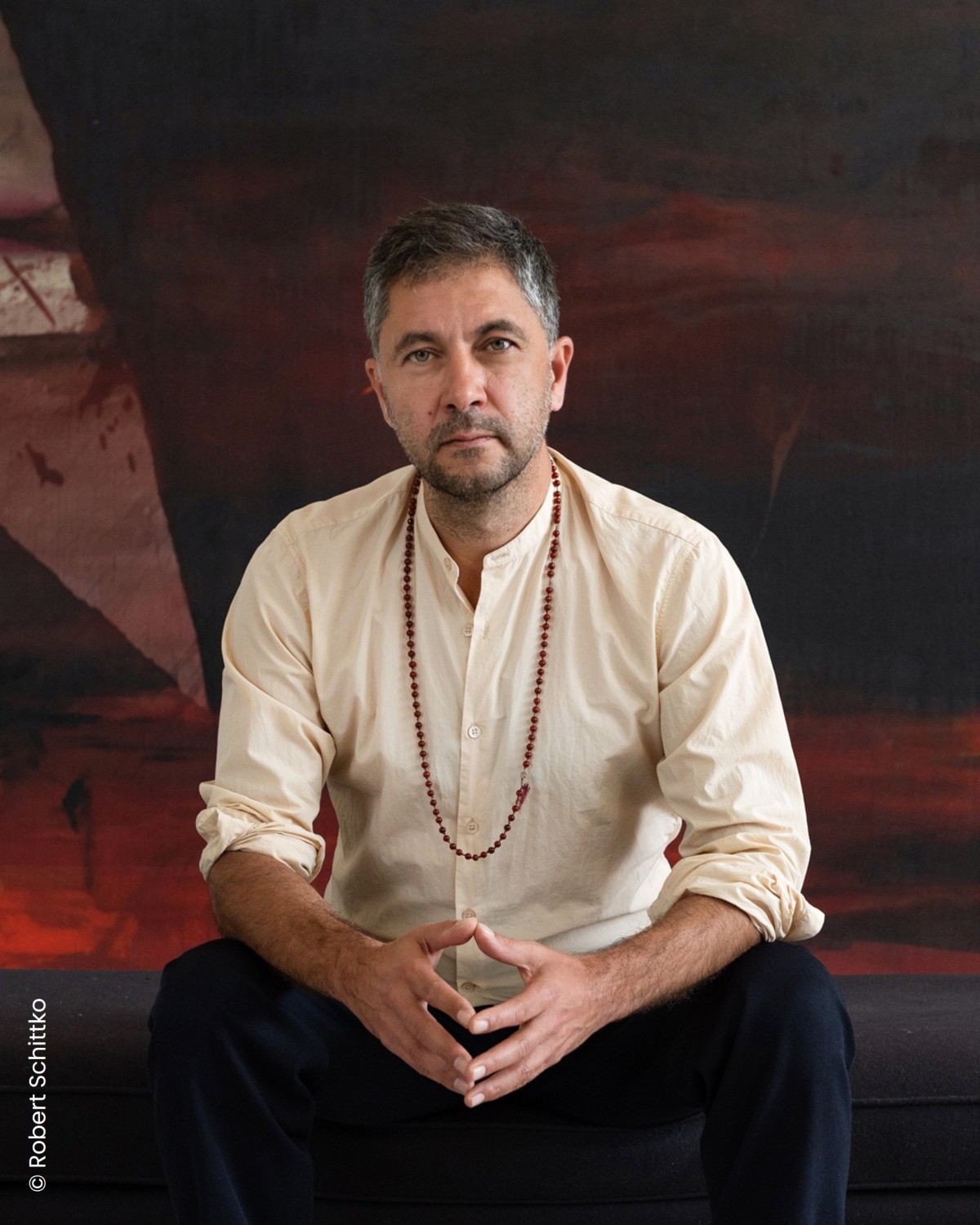
Michael Müller
Der geschenkte Tag.
Kastor & Polydeukes
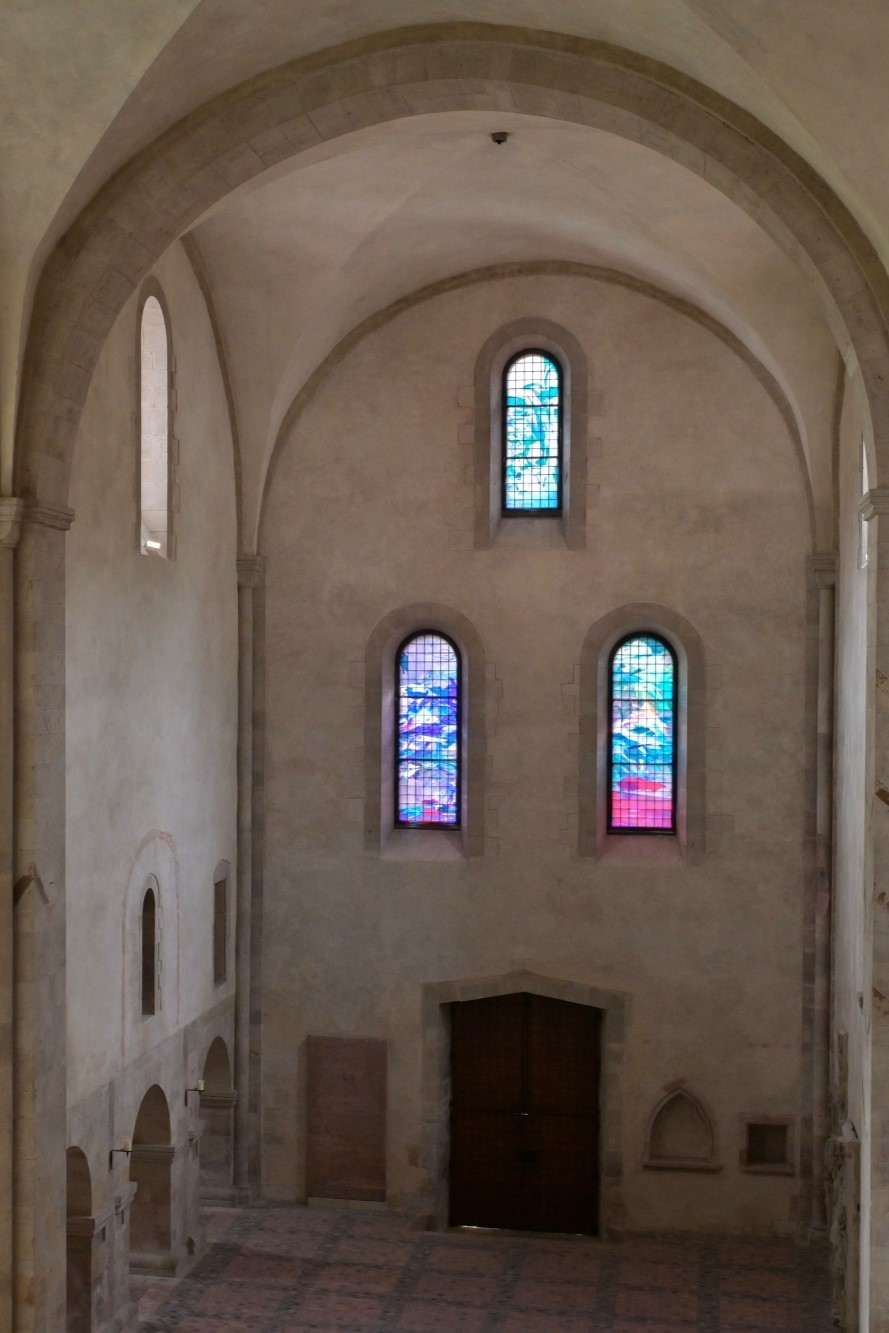
Die drei Motive der Kirchenfenster stammen aus der großen Arbeit des Künstlers "Der geschenkte Tag" (2021–2022), die auf dem Mythos der Dioskuren, der Zwillinge Kastor und Polydeukes, basiert.
Michael Müller zeigte diese Arbeit erstmals zwischen Oktober 2022 und Mai 2023 im Frankfurter Städel. Er führte mit seinem raumfüllenden Werk durch Zeichnungen, Gemälde und einer Skulptur in die mythologische Welt der griechischen Antike. Müller entfaltete mit den Mitteln der Malerei und über ihre Grenzen hinaus eine vielschichtige künstlerische Reflexion über die Bedeutung von Zeit, Sterblichkeit sowie überzeitlicher Liebe.
Diese Themen könnten kaum besser an einen Ort wie die Basilika der einstigen Zisterzienserabtei passen.
Einladung zum Feedback
Gäste haben bis Anfang Juni 2024 die Gelegenheit, die Probeinstallation der Fenster in der Basilika zu besichtigen, und können ihr Votum vor Ort digital abgeben.
Die Ergebnisse der Gästebeteiligung werden in die gemeinsame Entscheidungsfindung mit dem Künstler, der hessischen Denkmalpflege und der Stiftung einfließen.
Die Dioskuren in der griechischen Mythologie: Kastor & Polydeukes
(lateinisch: Castor & Pollux)
Polydeukes, der Faustkämpfer, war der Sohn von Leda und Zeus. Kastor gilt als Sohn der Leda und ihres Gatten Tyndareos und wurde in derselben Nacht wie Polydeukes gezeugt. Da sie in derselben Nacht empfangen wurden, sind sie Zwillinge und unzertrennlich, allerdings war Polydeukes als Zeus’ Sohn ein Halbgott, Kastor, der Rossebändiger, aber ein Sterblicher. Sie gelten als der Stolz Spartas. Beide nahmen an der Fahrt des Iason und der Argonauten auf der Suche nach dem Goldenen Vlies teil. Sie begleiteten Herakles auf dem Weg zu den Amazonen.
Nachdem das unzertrennliche Brüderpaar durch den Tod des sterblichen Kastor im Kampf auseinandergerissen worden war, bat Polydeukes seinen Vater, ihm die Unsterblichkeit zu nehmen, um zu seinem Bruder in das Totenreich gehen zu können. Gerührt von so viel Liebe, ließ Zeus seinen Sohn wählen, entweder ewig jung zu bleiben und unter den Göttern zu wohnen oder mit Kastor jeweils einen Tag im unterirdischen Reich des Hades (Reich der Toten) und einen Tag im Olymp bei den Göttern zu weilen und dabei zu altern und letztlich zu sterben. Ohne zu überlegen, wählte Polydeukes die zweite Variante und wanderte von da an mit seinem Bruder zwischen dem Olymp und dem Hades.
Eine griechische Sage inmitten klösterlicher Schlichtheit - nur auf den ersten Blick ein Bruch, so Vorstandsvorsitzender Julius Wagner: "Im Mythos um das ungleiche Zwillingsbrüderpaar - einer menschlich und sterblich, der zweite göttlich und unsterblich - geht es um Verzicht und bedingungslose Liebe. Opfer und Verzicht aus Liebe zu Gott sind die Voraussetzungen monastischen Lebens. Sie stehen im Kern der Entscheidung für den Weg in ein Kloster und sind als Themen einer kritischen Auseinandersetzung im säkularisierten Kloster Eberbach besonders spannend."